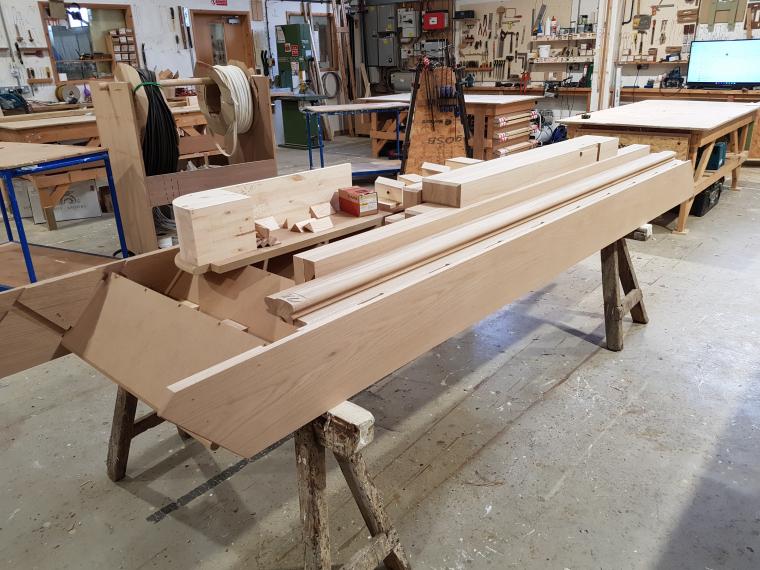
What is your lead time and how long does it take to have custom joinery made?
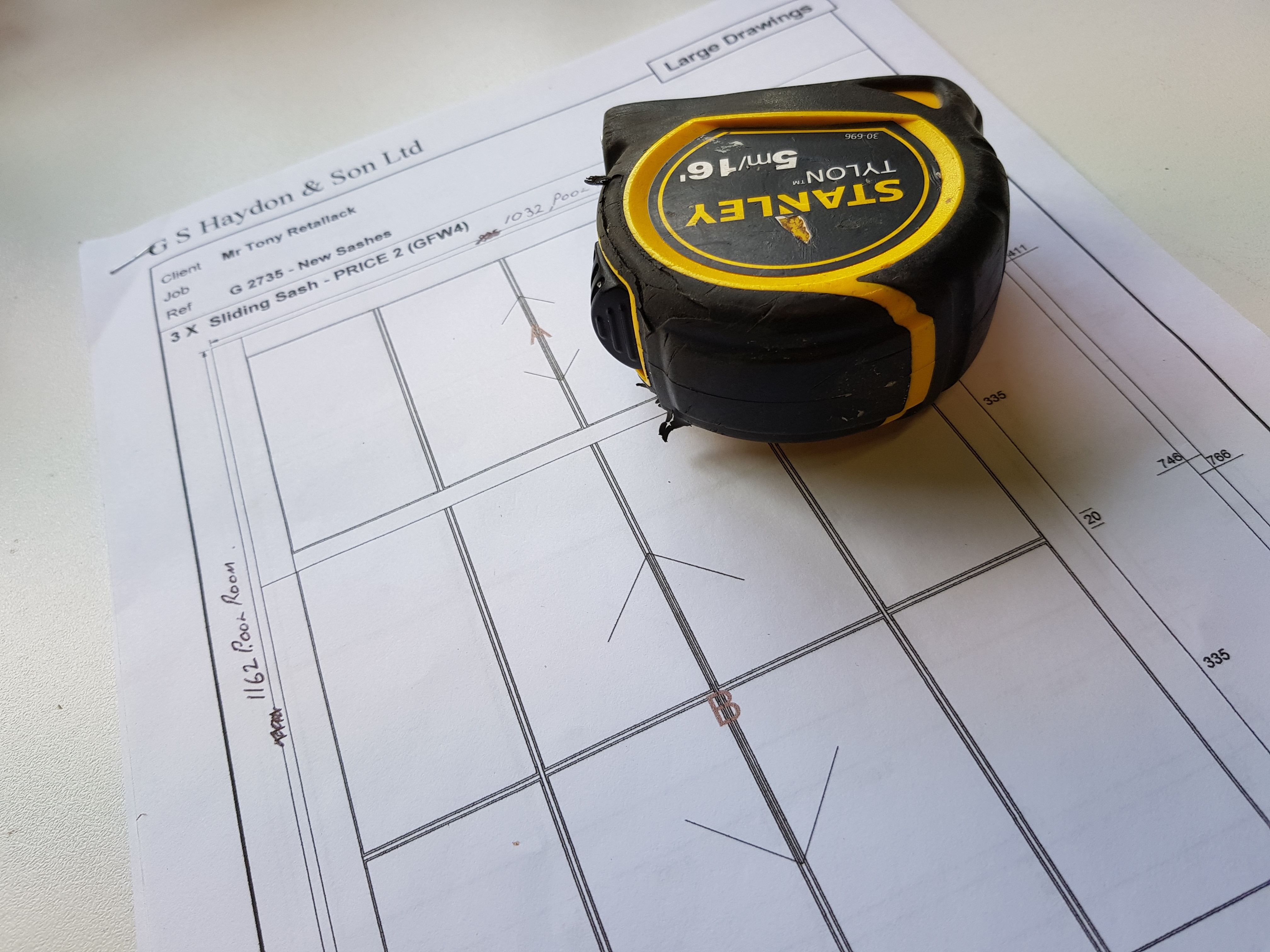
How Long Do Bespoke Timber Windows and Doors Take to Make?
One of the most common questions we are asked is:
"How long will my windows or doors take?"
It's a perfectly reasonable question, but unfortunately there isn't a simple answer.
Unlike mass-produced products, every piece of joinery we make is manufactured specifically for an individual client and property. A single casement window, a bespoke front door and a complete house of replacement windows all place very different demands on the workshop.
For that reason, lead times are usually influenced by two factors:
- The size and complexity of your project.
The amount of confirmed work already in the workshop.
What Do We Mean By Lead Time?
For us, lead time is the period from when a client places an order until the work has been manufactured and installed, or delivered if installation is not required.
This includes:
- Ordering materials
- Manufacturing
- Finishing and decoration where applicable
- Scheduling installation
- Completing the work on site
Why Do Lead Times Vary?
A common assumption is that all joinery projects take a similar amount of time.
In reality, there is a significant difference between manufacturing a single straightforward external door and producing a complete set of windows for a large property.
Every project is unique, which is one of the advantages of bespoke joinery, but it does mean lead times can vary considerably.
Typical Manufacturing Times
As a general guide, once a project reaches the workshop you can expect approximately the following manufacturing periods:
Staircases
- Basic staircase: 3–4 weeks
More complex staircase: 5–8 weeks
External Doors
- Single straightforward external door: 3–4 weeks
More complex or highly detailed door: 5–8 weeks
Timber Windows
- One to three straightforward windows: 2–4 weeks
- One to three more complex windows: 4–8 weeks
- Larger window projects: 3–10 weeks depending on quantity and complexity
Interior Joinery
- Small fitted furniture projects: 5–8 weeks
- Larger interior fit-outs: 6–12 weeks
These figures are intended as guidance only and should not be taken as fixed lead times for every project.
Workshop Capacity Matters
One of the most important factors is the amount of work already booked into the workshop.
For example, if a straightforward external door requires around four weeks to manufacture but we already have six weeks of confirmed work ahead of it, the overall lead time could be closer to ten weeks.
At quieter times, projects may move through the workshop more quickly.
At busier times, particularly during periods of high demand, lead times naturally become longer.
Workshop Capacity Matters
One of the most important factors is the amount of work already booked into the workshop.
For example, if a straightforward external door requires around four weeks to manufacture but we already have six weeks of confirmed work ahead of it, the overall lead time could be closer to ten weeks.
At quieter times, projects may move through the workshop more quickly.
At busier times, particularly during periods of high demand, lead times naturally become longer.
Planning Ahead
If your project is linked to other building work, renovations or a specific deadline, it is always worth discussing this with us at an early stage.
Whilst we cannot guarantee dates before a project is fully assessed, early conversations often help us plan work more effectively and provide realistic expectations.
Quality Takes Time
Good joinery is rarely rushed.
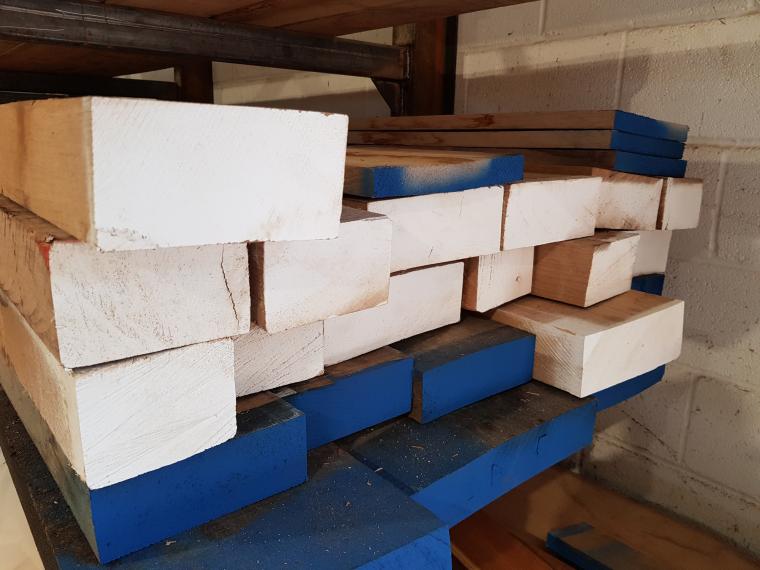
Timber selection, machining, assembly, finishing and installation all take time if they are to be completed properly.
Our aim is not simply to manufacture windows and doors quickly, but to produce joinery that looks right, performs well and provides many years of service.
Thinking About a Joinery Project?
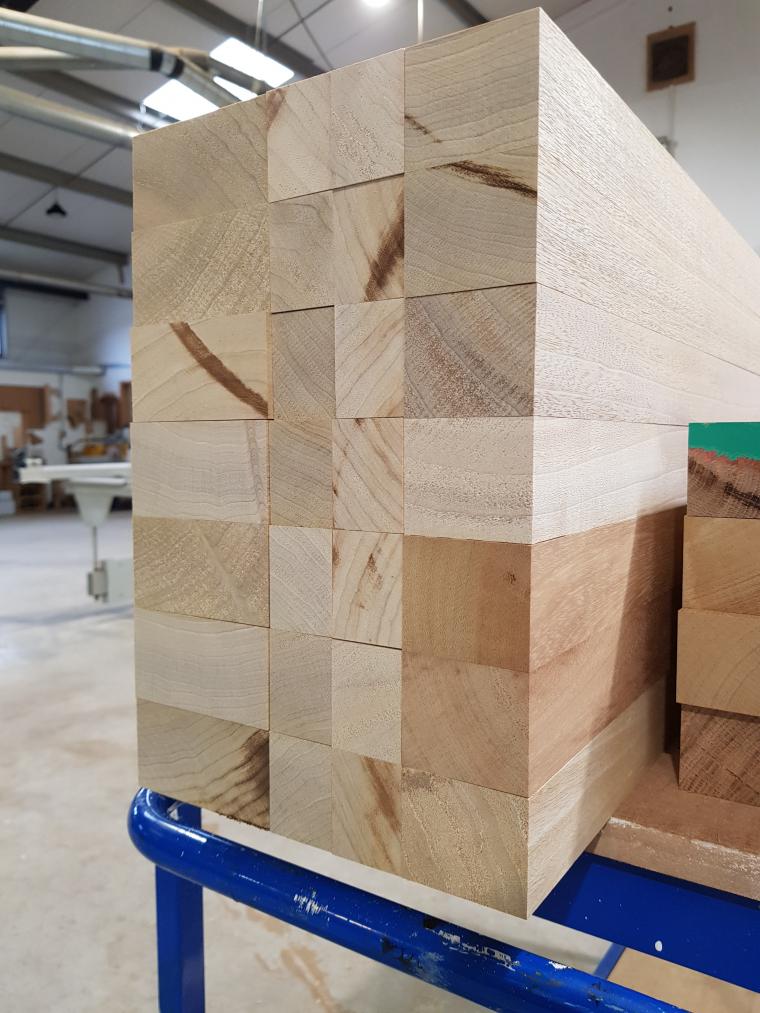
If you are considering replacement timber windows, a bespoke front door, a staircase or another joinery project, we are always happy to discuss likely lead times and provide guidance based on the scope of work involved.
Every project is different, but an early conversation can often help you plan with confidence.