Common Sash Window Problems: Draughts, Sticking Sashes, Condensation and Rot
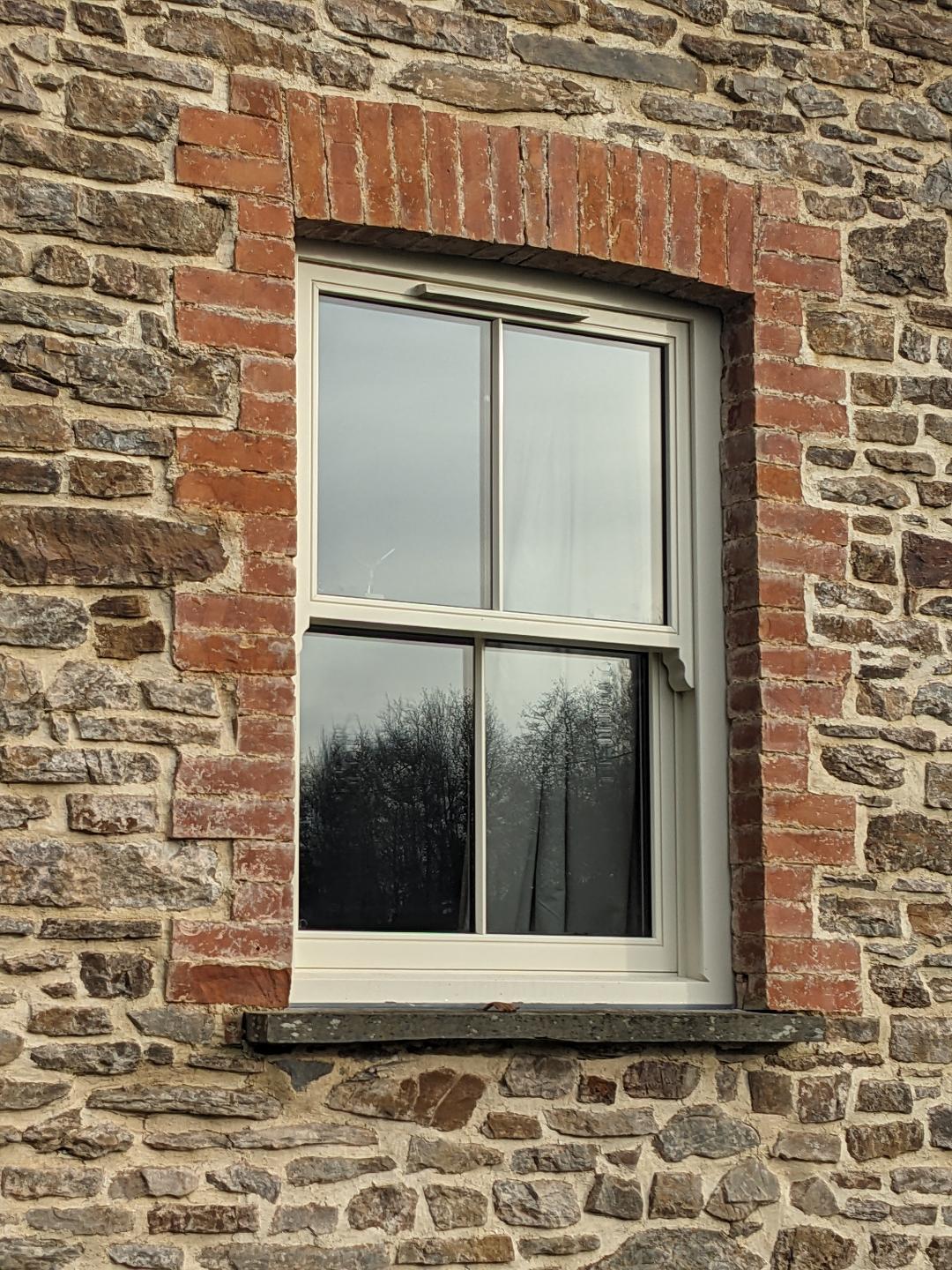
In today's world of heavy marketing and constant upgrades, it’s easy to assume that when something stops working perfectly it should simply be replaced.
Sash windows are often treated this way, yet most common sash window problems are surprisingly straightforward to solve.
In reality, issues such as sticking sashes, draughts or broken cords usually stem from lack of maintenance rather than flaws in the design of what is actually a remarkably robust window system.
How Traditional Box Sash Windows Work
Most traditional box sash windows (often simply called sash windows) use a simple counterbalance system to operate. Each sash contains weights connected by cords that run over pulleys inside the window frame, hidden from view. This allows the sashes to slide up and down smoothly while staying in place at any height. Understanding how the mechanism works helps explain why problems like sticking sashes, draughts, or broken cords occur — and how they can usually be repaired rather than replaced.
1. Sashes that won't slide
Because this is a really simple mechanism, most issues such as sticking sashes or a sash that just won't stay open can often be resolved through repair. Often heavy paint build-up can reduce the tolerances required for smooth operation and may need to be stripped back. Joiners refer to this process as easing and re-cording a sash window.
2. Draughty sash windows
Traditional box sash windows were made before a time where seals and gaskets were available. To slide well, every sash needs a tolerance to slide up and down without force. If that tolerance becomes too large, draughts occur. A word of caution here though, and I will come on to it more later, some degree of draught is a very good thing! Modern windows have trickle vents built into them to allow a constant flow of fresh air into the building. A smoothly operating sash window will allow a comfortable amount of background ventilation in.
If the draught is too much, a gasket can be fitted to edges of sashes or within the beading that holds the sashes in place. In my opinion and experience, don’t try and chase every draught during this process, accept some background ventilation. If the sashes are not rotten this is not a particularly difficult job.
3. Condensation on sash windows
This is one of the most common complaints I hear when people want to switch to double glazing. True, double glazing can be a great step to improve heat loss but it can simply move the condensation elsewhere. And in most cases, double glazing doesn’t always eliminate condensation.
Here’s what to do as a first step. These solutions may sound simple, but they are often surprisingly effective. Make sure your bathroom and kitchen extractors are working properly. If you don’t have these, consider getting them fitted as removing excess moisture from the home is critical. If you’re using saucepans keep the lids on and use the lowest temperature possible. Purge ventilate if you possibly can and this applies to all homes. After showering or cooking, at the beginning and end of the day, have the windows open to ventilate the spaces. If you can have your internal doors open whilst this happens (pop a wedge under them to prevent slamming) so much the better. In Germany this approach is known as “Stoßlüften” (shock ventilation) — opening windows fully for 5–10 minutes several times a day to refresh indoor air. It’s such a common practice that it is written into many German rental agreements.
Also wet towels, drying clothes on radiators or on clothes racks all make things worse. If you are able to try these easy wins first you may be surprised with the results. One final note, back to the draught sealing. If you try to make your windows too sealed up condensation will get worse. If you are adamant on adding it, make sure the meeting rail is left clear and the bottom staff bead. This will give the best chance of the condensation being reduced and not sitting on horizontal surfaces.
4. Rot in sash windows
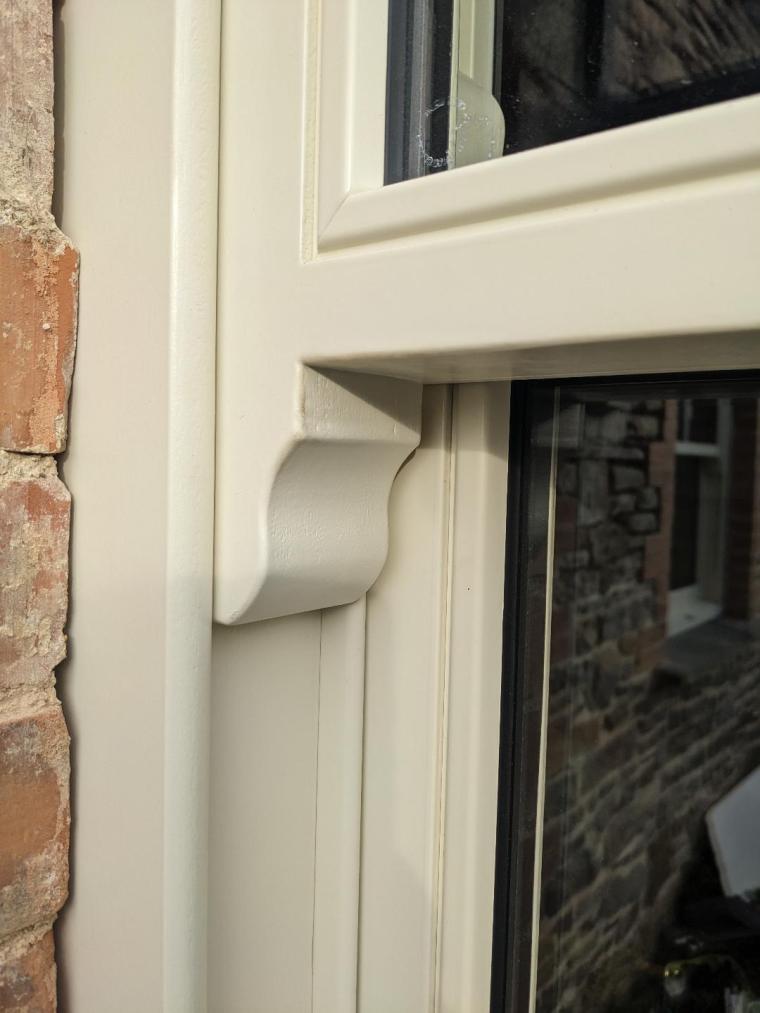
Nothing is forever, and if your sliding sash window has been neglected rot may well have set in. Because timber is easy to shape into a profile many sash windows can be repaired. Cills, rails, outer faces can all have timber spliced in.
5. Broken sash cords
Although this is one of the most common faults, thankfully it’s normally a very easy fix. It’s easy to spot as normally a cord is flopping about but you’ll also notice that one side of the sash drops or if both sash cords have broken a sash becomes a guillotine!
To resolve this we remove the staff bead and parting bead, gain access to the weights via the pocket and reattach using new cords. We use a device called a mouse during this process, but that’s a story for another time!
Repair or Replace Sash Windows?
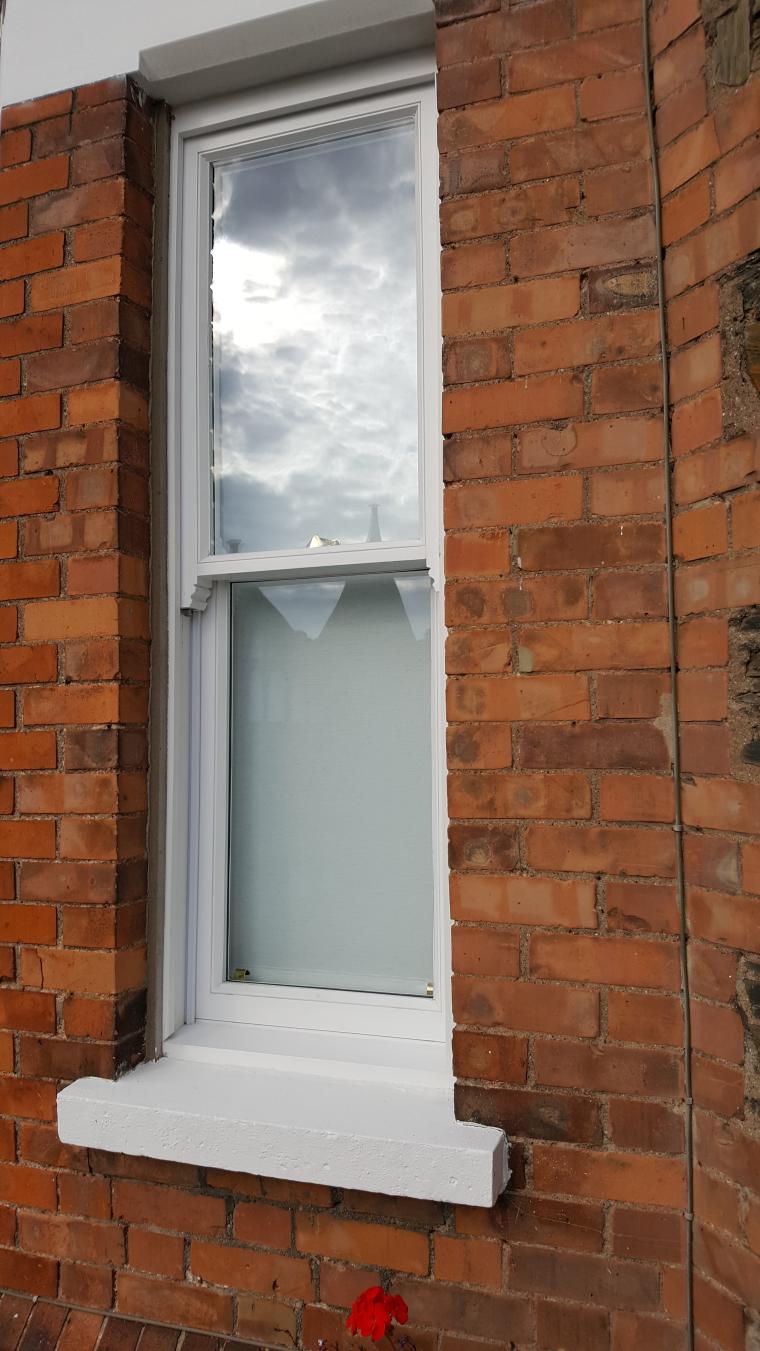
If you have gone through the list above and it all seems a mountain too steep to climb it could be time to replace the sliding sash window. If you are in a listed property it would most likely mean you will need to make every possible attempt to repair the window, even if the cost of a new window is less than the cost of a repair. Retaining the glass, mouldings along with the proportions are all essential. In many cases, an extensive onsite repair to a high standard will cost the same as a brand new window. This is where you cross the threshold from solving an isolated problem like a sticking sash or a bit of rot to a full restoration of an historic sash window. It’s worth noting that if you have a listed building, repairing your windows will not require listed building consent but replacing them certainly will.
Another good time to consider replacing is when there is a holistic change to the house. Perhaps new interior insulation is being installed and an overall U-Value for the house needs to be achieved to allow an air source heat pump to work effectively and reliably. Perhaps also inappropriate windows have been used that have reduced the value and visual beauty of the property and it’s time to correct that error.
When replacement does become necessary, new sash windows can be made using traditional joinery methods combined with carefully selected modern materials. In our workshop we typically use durable timbers such as Accoya or quality hardwoods, along with proven paint systems to give the windows the best possible chance of lasting for decades. The truth is well-made sash windows are remarkably durable.
How Long Should Sash Windows Last?
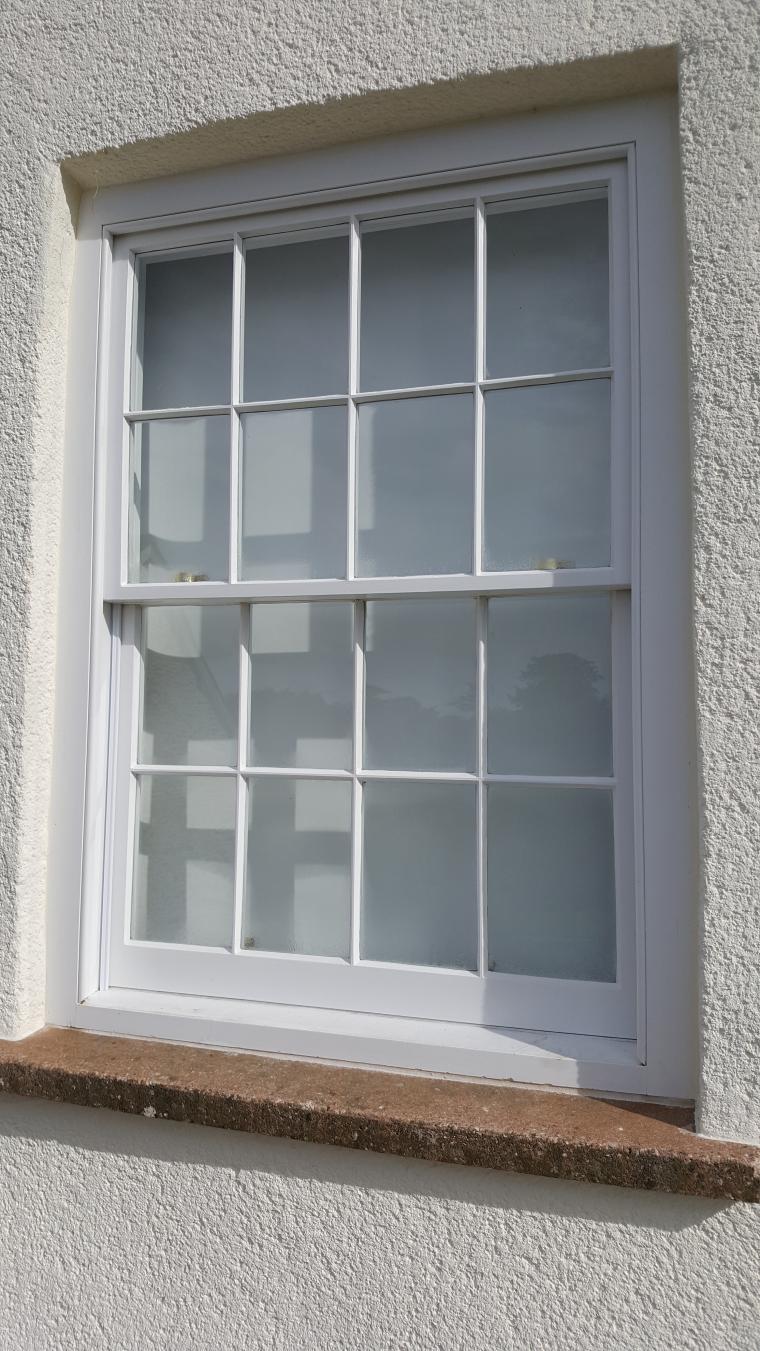
Well-made timber sash windows are remarkably durable. With proper maintenance it is not unusual for them to last well over a century.
In fact the oldest sash windows I have worked on date from around 1675 during the reign of Charles II. These windows were originally made for Stowe House in Cornwall, which was demolished in 1739 before the windows were later installed in the Guildhall in South Molton.
Records from the time show:
“9 sash windows at 10s 6d and 2 at 11s 6d (£5 17s 6d)”
Few modern building products can claim that kind of longevity.
If you would like some feedback on your sash windows, feel free to give me a call on 01769 572134 or 07449 960116, or get in touch via the contact page.